Get Your Self Assessment Sorted Before HMRC Penalties Start
Save 100+ hours on forecasting with financial planning and analysis services UK that reduce uncertainty, strengthen control, and deliver clear, decision-ready financial insight.
2025/26 Online Self Assessment Deadline: 31 January 2027
- UK-based accountant support
- Return checked before submission
- Allowable expenses reviewed
- Filed directly with HMRC



Do You Need to File a Self Assessment?
You may need to file even if tax already comes out of your salary.
Check whether any of these apply to you:
- You earned more than £1,000 from self-employment
- You were a partner in a business partnership
- You received rental or property income
- You earned untaxed income
- You received dividends or investment income
- You received foreign income
- You need to report Capital Gains Tax
- You need to pay the High Income Child Benefit Charge through Self Assessment
- HMRC has asked you to submit a tax return
Not sure where you stand?
Do not guess. Decimal can check your situation and tell you what you need to do.
Your Self Assessment Has More Than One Deadline
For the 2025/26 tax year, the main Self Assessment dates are:
5 October 2026
Register for Self Assessment if you need to file and have not registered where required.
31 October 2026
Deadline for most paper tax returns.
31 January 2027
Deadline for online tax returns and payment of tax due.
Missing the deadline can cost you before you have even dealt with the tax itself.
Miss the Deadline? And the Cost Starts Adding Up
1 day late
£100 initial filing penalty.
More than 3 months late
An additional £10 a day, up to £900.
More than 6 months late
A further £300 or 5% of the tax due, whichever is higher.
More than 12 months late
Another £300 or 5% of the tax due, whichever is higher. Higher penalties can apply in some cases.
Late payment can also lead to extra penalties and interest.
Your £100 problem can quickly become a much bigger one.
Before You File, Make Sure Nothing Gets Missed
A Self Assessment is more than entering one income figure. Missing income can create problems with HMRC. Missing allowable costs or reliefs can mean paying more tax than necessary.
Decimal checks the details that matter.
| Income | Expenses & Tax Relief | Records |
|---|---|---|
| ✓ Employment income | ✓ Business travel | ✓ P60 or P45 |
| ✓ Self-employed income | ✓ Professional fees | ✓ Income records |
| ✓ Rental income | ✓ Office costs | ✓ Bank statements |
| ✓ Dividends | ✓ Business phone & internet use | ✓ Expense receipts |
| ✓ Savings and investment income | ✓ Equipment | ✓ Property income & expense records |
| ✓ Foreign income | ✓ Certain working-from-home costs | ✓ Dividend statements |
| ✓ Capital gains | ✓ Other allowable business expenses | ✓ Pension information |
| ✓ Other taxable income | — | ✓ Previous Self Assessment details |
| — | — | ✓ UTR, if you already have one |
We also check previous tax payments and payments on account where they apply.
You send us the information. We help turn it into a correctly prepared return.
Why Use a Professional for Your Self Assessment?
You can file your Self Assessment yourself, but getting it wrong can cost more than professional help. Incorrect figures, missed income or wrong claims can lead to extra tax, HMRC enquiries, interest or penalties.
Professional support gives you confidence that your return is accurate before you submit it.
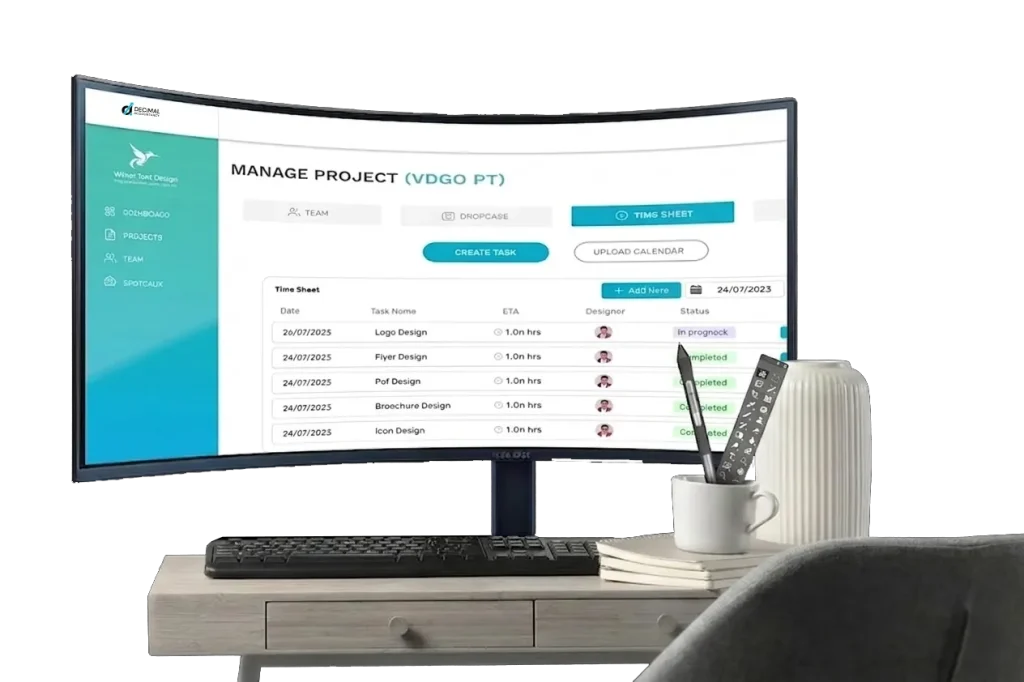

Decimal Handles Your Self Assessment Without the Last-Minute Stress
Putting it off does not make the return disappear. It only leaves you with less time to fix missing records, understand your tax bill and deal with any issues.
Decimal Accountancy keeps the process simple.
1. Send us your details
Tell us about your income and provide your records.
2. We prepare and check your return
We calculate your position and check the information before filing.
3. We file it with HMRC
Once everything is ready, we submit your return and tell you what you need to pay.